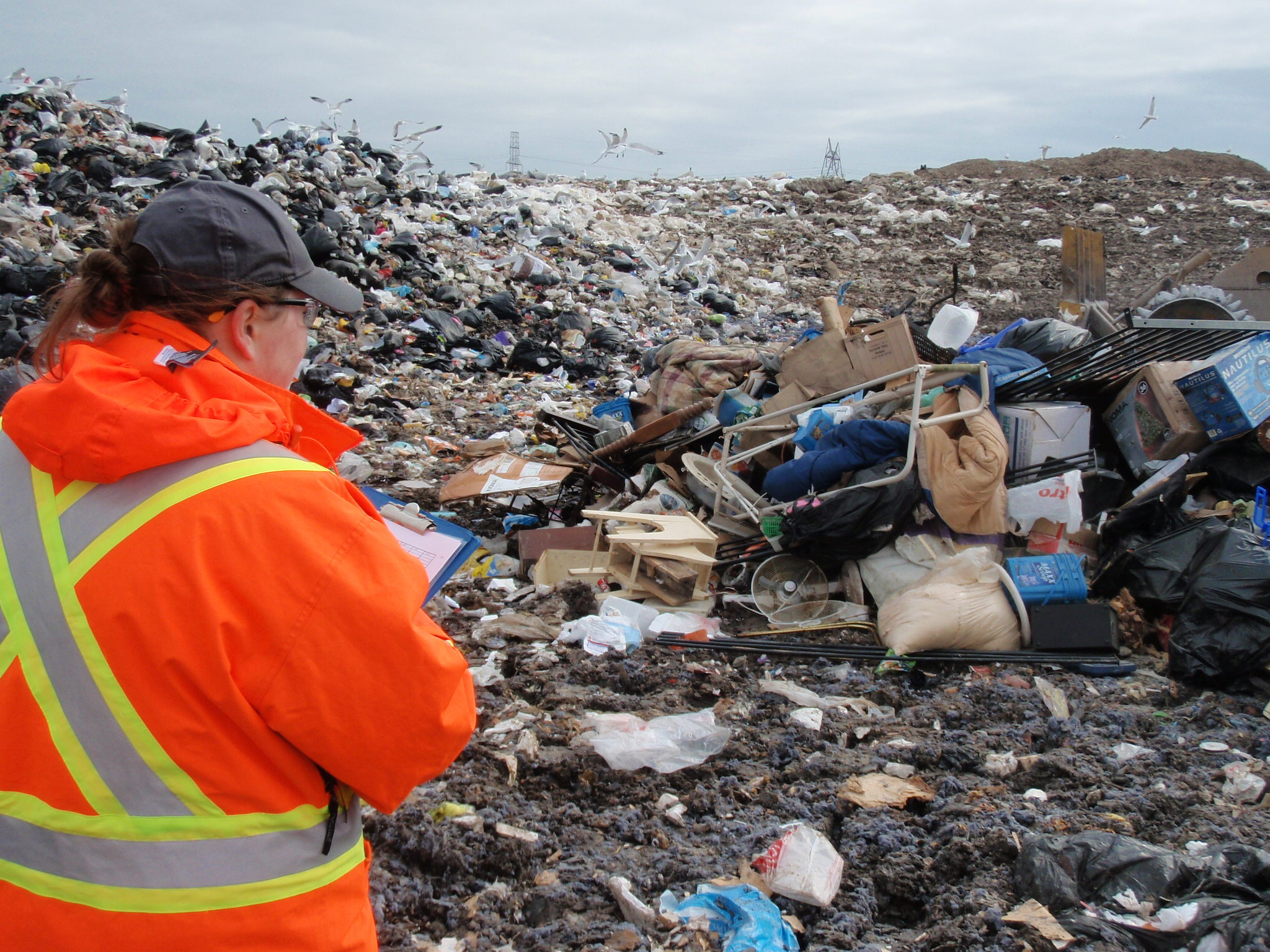
Beyond the Container: Reimagining Waste Disposal Approaches


In world, the method we manage waste is vital than ever. With growing populations and consumer habits, the problems of waste management have increased alongside them. While businesses and individuals seek to reduce their impact on the environment, innovative strategies are developing to transform how we view waste. Moving beyond just throwing items into a bin, effective waste management today includes a holistic approach that highlights sustainability, efficiency, and community engagement.
This guide seeks to investigate modern waste management solutions that can help everyone—from households looking to reduce waste and save money, to businesses striving for sustainable practices. Exploring topics like recycling, composting, and waste segregation, we will reveal the essential practices and strategies that not only help mitigate environmental impacts but also promote public health and economic prosperity. Whether you are a beginner just starting your waste management journey or a seasoned professional seeking to enhance your existing systems, this comprehensive look at waste management will equip you with the knowledge to take educated actions and create a cleaner, greener future.
# Modern Refuse Management Solutions
In the modern swift world, businesses and residences alike face the growing issue of handling waste efficiently. Modern waste disposal practices utilize technology and creative methods to streamline waste harvesting, processing, and disposal. From smart bins equipped with sensors to measure waste levels to mobile applications that aid residents organize their recyclable materials correctly, these improvements make waste management more efficient and manageable. Such solutions not only boost efficiency but also encourage a greater sense of commitment in society, encouraging everybody to engage in sustainable habits.
One of the most significant progress in waste management is the rise of waste separation technologies. By encouraging the division of recyclables, organics, and landfill waste at the source, these practices improve recycling rates and lower contamination. Automated sorting centers use AI and machine learning to recognize and classify materials quickly, guaranteeing that waste streams are uncontaminated and recyclable materials are separated from landfills. This transition highlights the necessity of correct waste separation, a vital step in establishing a long-lasting waste management framework for metropolitan areas and companies.
Moreover, the implementation of resource recovery approaches is revolutionizing how waste is viewed in society. Instead of viewing waste as a mere disposal issue, contemporary solutions focus on retrieving valuable resources from waste streams, such as composting organic materials and recycling metals and plastics. This integration of waste management into a circular economy paradigm not just reduces the environmental footprint of waste but also contributes to resource conservation and economic development. By implementing these contemporary solutions, societies and organizations can significantly enhance their waste management efforts while supporting environmental initiatives.
Efficient Strategies for Organizations
Implementing effective garbage management practices is essential for organizations looking to improve sustainability and lower operational expenses. Click for more info is executing regular waste assessments. This process involves analyzing the categories and volumes of refuse generated, helping companies identify areas for improvement. By understanding waste composition, businesses can develop specific plans, such as increasing recycling initiatives or cutting single-use products, ultimately culminating in more efficient resource use.
Incorporating employee development programs can also greatly improve waste management practices. Instructing staff about proper waste classification and the significance of recycling cultivates a culture of eco-friendliness within the business. Engaging employees through sessions and competitions can encourage them to take ownership of their refuse practices, culminating in creative solutions and long-term commitment to waste elimination goals.
Finally, organizations can exploit technology to improve their waste management solutions. Smart waste management solutions, such as IoT technologies for immediate monitoring of waste amounts, allow for optimized waste removal and reduction in operational expenses. Furthermore, implementing software for monitoring waste data can aid companies measure their performance against environmental objectives, support compliance with waste management standards, and enhance their overall eco-footprint.
Eco-Friendly Practices for People
Residing sustainably begins at home, where small changes can have a significant impact on garbage reduction. One of the initial steps individuals can take is to practice efficient waste segregation. By setting up designated bins for recyclables, compostables, and ordinary waste, people can ensure that materials are disposed of correctly. Understanding what can and cannot be reprocessed is essential, as mixing can lead to whole loads being sent to landfills instead of being recycled. Educating yourself about recycling guidelines in your area can empower you to play a part to a more sustainable environment.
Another successful approach is to adopt minimalism and mindful consumption. This means being intentional about what you buy and choosing sustainable products that come in sustainable packaging. Think about purchasing reusable items such as reusable water containers, shopping bags, and containers to minimize single-use plastics. Additionally, engaging in local community programs, such as trade events or farmers' markets, can help foster a culture of sharing and reduce the demand for newly produced products, further supporting waste minimization efforts.
Composting is an excellent way to manage organic waste and enrich your garden at the same time. By composting kitchen waste and yard waste, people can redirect large amounts of material away from landfills. This practice not only lowers the volume of waste but also creates nutrient-rich soil that benefits plants. Learning about the composting process, including what materials are suitable and how to maintain a compost pile, can make this sustainable practice both easy and fulfilling.