Green Lifestyle Simplified Easy through Heating Units


Heat pump systems are increasingly a common choice for homeowners who want to attain sustainable living while avoiding sacrificing comfort. These multi-functional systems provide both warmth and cooling by transferring heat from the external atmosphere or ground to your home, making them an energy-efficient alternative to traditional HVAC systems. As the world transitions towards greener solutions, grasping heat pumps and their merits is critically significant.
In this article, we will explore everything you should understand about heat pumps, from the way they function to the different categories available. We'll answer common questions about performance, installation, upkeep, and the environmental impact of heat pumps. Whether you're considering a new installation or just looking to enhance your existing system, this detailed guide will provide the information you seek to make well-informed choices that benefit both your home and the planet.
Understanding Heat Transfer Systems
These devices are cutting-edge systems that offer both warmth and cooling for houses by moving heat from a location to another. In contrast to conventional HVAC units that generate heat through combustion or electricity, heat pumps move heat using a heat exchange process, which makes them an energy-efficient solution. They pull heat from the atmosphere or soil and can send it to the interior spaces in winter, while in summer, they can reverse the process to chill the home by taking out heat from indoors. This dual functionality allows homeowners to maintain pleasant temperatures year-round.
Effectiveness is one of the major benefits of heat pumps. They can produce two to 4 times more energy in the form of heat than they require in power, resulting in lower energy costs and a reduced environmental impact. Heat pumps are also suitable with multiple energy options, such as renewable energy options, which enhances their eco-friendliness. As worries around climate change grow, many are turning to heat pumps as a forward-thinking choice for home warmth and temperature control.
As heat pump technology advances, more homeowners are considering these systems for their properties. The options available today range from air-based heat pumps, which are easier and cheaper to implement, to ground source heat pumps, known for their efficiency even in extreme weather conditions. Understanding the different types, their operation, and sustained benefits is important for making an educated decision about whether a heat pump is suitable for your home.
Benefits of Heat Pumps
Heating pumps offer a multitude of benefits that make them an attractive choice for homeowners looking to upgrade their heating, ventilation, and air conditioning systems. One of the most significant advantages is their energy efficiency. Compared to traditional heating and cooling units, heat pumps use reduced electricity by moving heat rather than creating it. This functional efficiency translates into reduced energy bills, providing lasting cost savings for residents.
Another notable benefit of heat pumps is their flexibility. They can provide both warmth and chilling, making them a all-season solution for managing indoor temperature. Helpful resources means that owners do not need individual systems for winter and hot months, simplifying both setup and maintenance. Additionally, many heat pumps are designed to work in multiple climate settings, ensuring pleasantness regardless of ambient temperatures.
Finally, heat pumps contribute positively to the ecosystem. By lessening reliance on fossil fuels for warmth, they help mitigate greenhouse gas emissions. Many heat pumps also are eligible for renewable energy incentives, such as rebates and tax credits, promoting green practices. Opting for a heat pump not only improves personal comfort but also advances efforts to combat climate change.
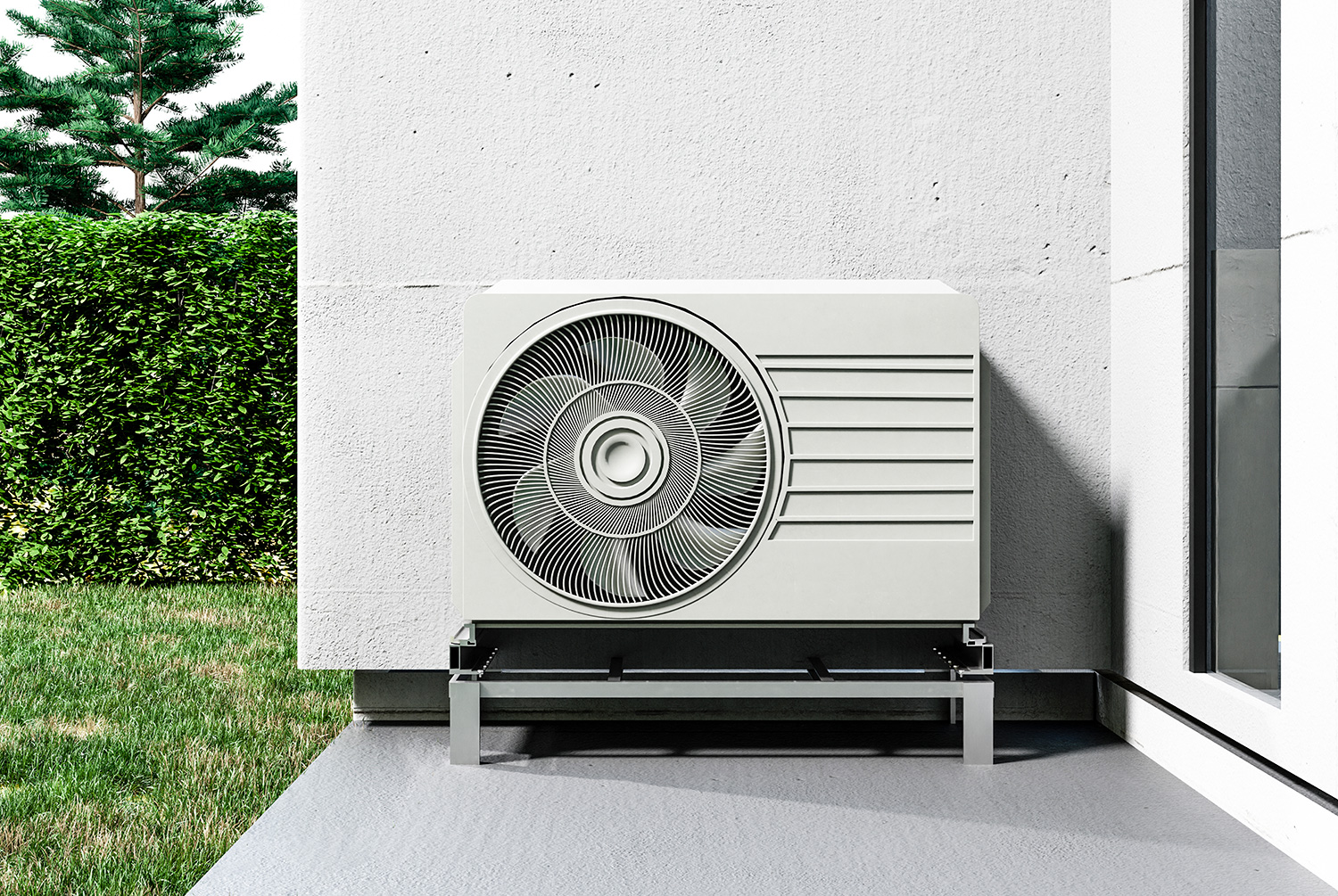
Establishment and Upkeep Tips
When setting up a heat pump, consider engaging a qualified professional who has knowledge with the specific type of heat pump you are considering. Proper installation is vital for maximum performance and effectiveness. Make sure to assess the size of your property and select a system that fits your heating and chilling needs. It is also crucial to ensure that the installation site is clear of blocks and has ample ventilation to support effective operation.
Regular maintenance is essential to extending the lifespan of your system. Set up annual reviews and servicing to keep your system in good condition. During these service appointments, professionals will check coolant levels, maintain the heat exchanger, and check mechanics for damage. Residents can also perform easy jobs, such as regularly swapping or cleaning filters and ensuring outdoor units are free of obstructions to improve efficiency.
Lastly, be aware of any signals showing that your system may need maintenance or substitution. Sudden rises in energy bills, odd sounds, or irregular heating or chilling could signal issues. Addressing these problems promptly can avert additional harm and ensure your heating and cooling system remains efficient. Being proactive about your system upkeep will help you enjoy its perks for an extended period.