Say Goodbye to Water Damage: Innovative Solutions for Remediation


Water damage can occur suddenly, leaving homeowners in distress and confronting expensive fixes. Caused by a burst pipe, a leaking roof, or a natural disaster, the impact of water damage on your property can be catastrophic. It not only damages your belongings but also has the capability to compromise the structural integrity of your home and result in hazardous mold growth if not addressed promptly.
In this guide, we will explore innovative solutions for restoration of water damage to help you navigate what can be a difficult and overwhelming process. From understanding the differences between water damage and flood damage to identifying the signs that you need emergency restoration services, we will equip you with crucial information. Additionally, we will discuss how to handle various sources of water damage effectively and the significance of professional assistance to ensure your home is restored quickly and safely.
Urgent Actions Following Water Damage
Upon experiencing water damage in your home, it is essential to act quickly to minimize the impact. Start by ensuring the well-being of all occupants. If there is any threat of electrical danger, cut the power to affected areas and evacuate the premises if necessary. Assess the source of the water intrusion, whether it be a burst pipe, a leaking roof, or flooding, and take steps to stop the flow if it is safe to do so.
Next, start the process of removing excess water. This can include using mops, towels, or a wet/dry vacuum to remove standing water. Opening doors and windows can help with airflow and drying. Be careful with porous materials, as they can absorb water and turn into breeding grounds for mold if not dried promptly. It is also crucial to document the damage for insurance purposes, capturing photos and making a detailed list of affected areas and items.
Once the immediate risks are addressed, begin recovering your items. Move valuable items to safer ground, and remove wet carpets and furniture if feasible. Check for any obvious signs of damage, such as warped walls, peeling paint, or soaked insulation. These steps can help you understand the scope of the damage and get ready for the next phases of water damage restoration.
Professional Water Damage Remediation Method
The expert flood deterioration restoration procedure usually begins with a detailed analysis of the premises. Trained professionals carry out a detailed inspection to determine the extent of the flood damage, finding impacted sections and finding out the origin of moisture infiltration. ceiling water damage repair mesa az is crucial, as it enables the recovery professionals to develop a tailored plan for efficient remediation. They'll employ moisture detection equipment to discover hidden damage that property owners might overlook, making sure no issue is overlooked ignored.
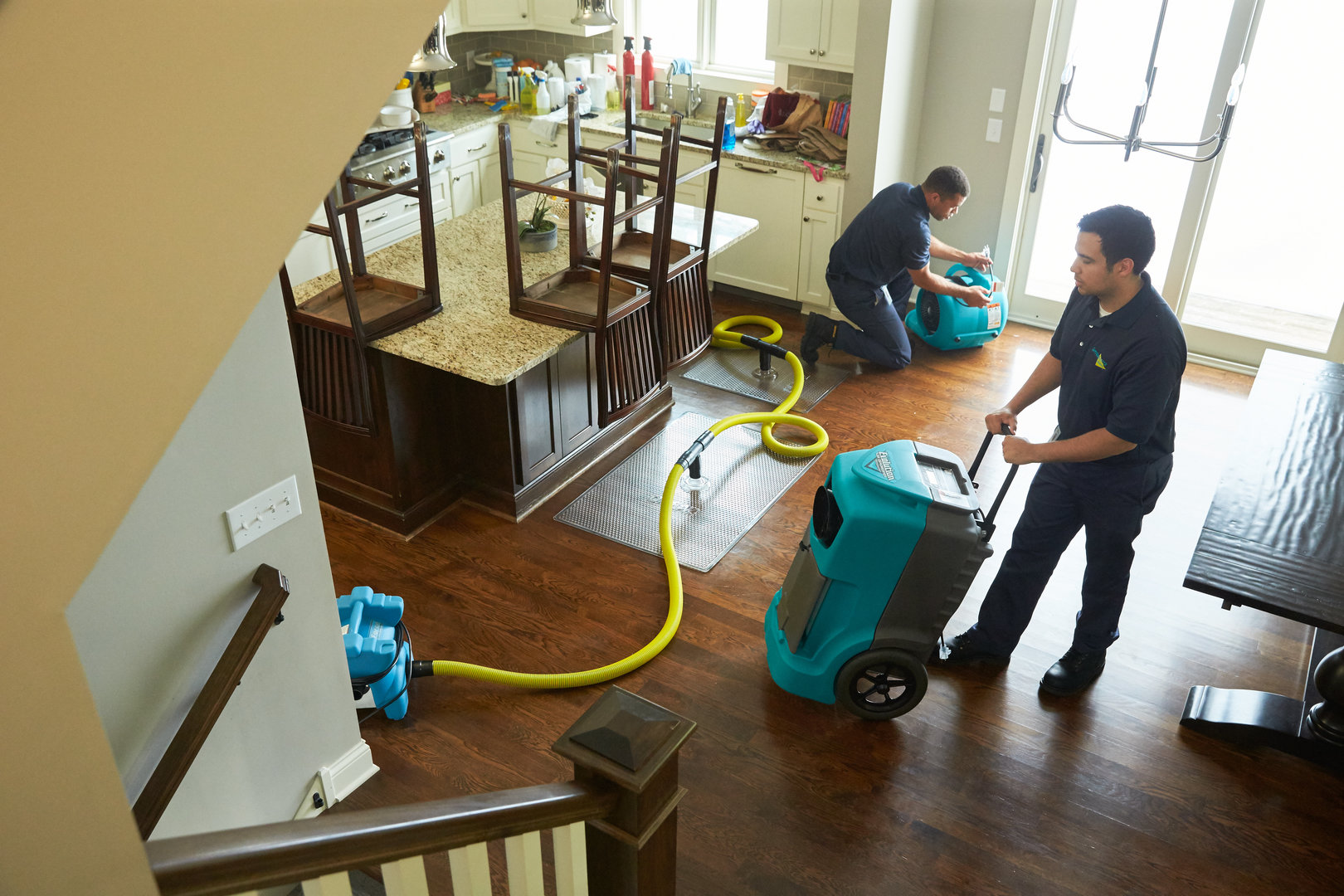
Once the assessment is complete, the subsequent step requires water extraction. Using high-capacity sump pumps and extractors, restoration professionals take away standing flood efficiently, significantly minimizing the chance for additional deterioration. This phase is crucial for preventing mildew proliferation and structural problems. After extraction, the attention transitions to drying the space. Heavy-duty blowers and dryers are employed to make sure every cranny and cranny is dehydrated, which is essential in maintaining the integrity of the property and its materials.
Finally, after the property is fully dried, restoration experts move on to repairs and revitalization of the affected sections. This may entail fixing drywall, fixing floors, or recovering items. The aim is to return the premises to its prior condition, making sure that it is safe and pleasant for the occupants. Throughout Great post to read , communication with the property owner is crucial, keeping them informed of progress and making sure their requests are met during what can be a difficult time.
Mitigating Future Water Damage
Preventing impending water damage commences with routine inspections along with care of your home. Examine the roof for lost shingles or evidence of wear and tear that could result in leaks. Clear the gutters and downspouts to ensure proper drainage, guiding water away from your home's foundation. Review pipes regularly for any indications of corrosion or leaks, and evaluate modernizing old plumbing systems that might be prone to failure.
In addition to regular upkeep, it's essential to implement preventive measures such as setting up sump pumps in basements or areas prone to flooding. Make sure that the landscape is graded away from the home to prevent water pooling near foundations. Also, think about implementing water leak detection systems that can alert you to leaks before they turn into major issues, facilitating prompt action.
In conclusion, educate your family about the importance of alerting any signs of water damage immediately. Instruct them to watch for water stains, mold growth, or unusual dampness in walls and floors. Maintaining a proactive approach to water-related damage can save you time and money in the long run, making sure that the home is safe and sound from the perils of water-related damage.