Starting with Traditional into Modern: Timber Flooring suited for Every Style


Wooden flooring has long captivated property owners and designers alike with its distinctive charm, warmth, and versatility. From the rich, dark hues of traditional hardwood to the sleek textures of modern composite wood, this flooring option easily matches a multitude of design styles. As we explore the journey of timber flooring from classic designs to modern interpretations, it becomes evident that it remains a lasting choice that can improve any space, making it not only a functional component but also a significant design feature.
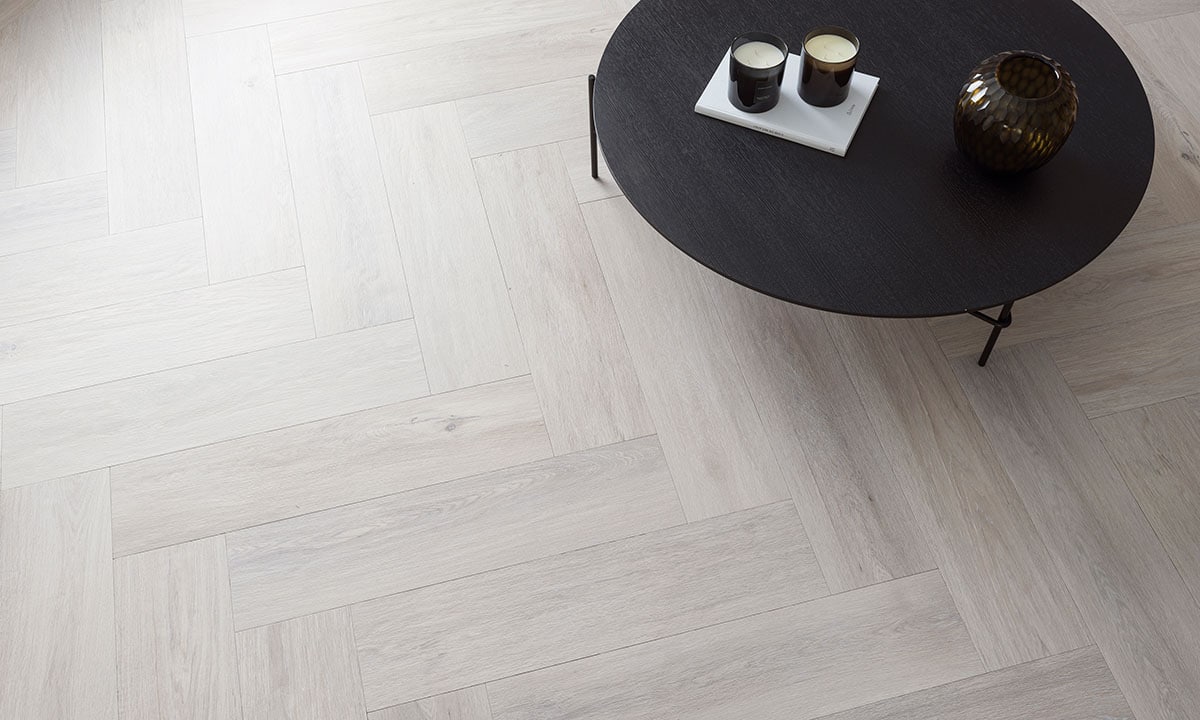
In this piece, we will delve into various facets of timber flooring, providing insights on how to select the right type for your living space, along with tips on upkeep and preservation. We will compare solid wood and composite wood, discuss popular styles in 2025, and highlight the many environmental benefits of sustainable options. If you are considering an improvement, setup, or simply exploring the realm of wooden floors, our comprehensive guide will equip you with the understanding needed to formulate educated decisions and appreciate the enduring appeal of wood underfoot.
Choosing the Right Timber Flooring
Choosing the right timber flooring for your home involves taking into account different elements that respond to your way of living and design choices. Initially, assess the space where the floor will be placed, as high-traffic areas may require more durable options, while quieter spaces can accommodate softer woods. Contemplate about the overall design you wish to create; whether it's a rustic appeal or a sleek contemporary look, there are wood types and finishes that align ideally with your concept.
Another essential factor is the kind of wooden flooring: solid wood versus engineered wood. Solid wood provides timeless durability and can be reconditioned several times, making it an outstanding sustainable investment. Conversely, composite wood is more stable and less prone to fluctuations in humidity, which is perfect for lower levels or areas with variable moisture conditions. Comprehending Click for more info will assist you make an informed choice that fits not only your taste but also the practical considerations of each room.
In conclusion, think about the color and coating of the timber. Pale woods can create an airy, spacious feel, while deep tones add warmth and closeness to a space. The surface treatment, whether flat, silky, or glossy, will also influence the final look and care of the flooring. Bring samples home to see how different options blend with your current décor, ensuring the wooden floor you choose improves the overall visual appeal of your house.
Caring for & Looking After Timber Floors
To ensure your hardwood floors looking their best, routine care is essential. Begin with routine maintenance to remove dirt and debris. A soft-bristle broom or a vacuum cleaner with a wood floor attachment is ideal for this task. Steer clear of damp mops and excessive water, as moisture can damage the wood. Instead, use a gentle mop or cloth slightly wet with a wood-friendly cleaner formulated for your specific floor type. This method not only preserves the finish but also stops the accumulation of dirt and grime that can scratch the finish.
When it comes to more thorough maintenance, consider applying a protective finish on a regular basis. According to the type of wood and finish, recoating every 3 to 5 years may be necessary. If your wooden flooring show signs of wear or scratches, you can refresh the finish with a simple re-coating. For more significant damage, you may need to sand and refinish the affected areas. Always follow manufacturer guidelines for the best results, and consult a professional if you're unsure.
Periodic care is also crucial for hardwood floors. In the winter months, using a moisture maker can help prevent the timber from drying out and cracking due to reduced humidity. In the summer months, maintain your floors cool by closing curtains in direct sunlight to avoid fading. Additionally, placing rugs at entryways can greatly reduce dirt and dust that get brought onto your flooring, further protecting their appearance and integrity.
Developments and Benefits of Wooden Flooring
Wooden flooring keeps to progress, making itself as a adaptable choice for various design approaches. In the upcoming years, popular styles include broad planks, varied finishes, and paler tones, which create airy environments. Traditional elements, such as reclaimed wood, attract those seeking coziness and personality, while current designs often include streamlined, minimalist patterns and engineered wood options that boost strength without losing style.
The benefits of wood flooring extend beyond visual appeal. Its natural thermal properties contribute to boosted energy efficiency, assisting to maintain pleasant temperatures in the home. Additionally, wood floors are known for their longevity and can significantly increase a property's market value. Property owners appreciate how wooden flooring can adjust to changing design preferences, ensuring that their investment remains attractive over time.
Caring for timber flooring is crucial to its life and beauty. Regular upkeep includes maintaining with mild products to avoid ruining the finish and restoring when necessary to bring back its glow. Understanding these care techniques, along with choosing sustainable wood options, allows homeowners to enjoy the classic beauty of timber floors while making sustainable choices.