The Art of HVAC: The Way It Keeps You At Ease


In fast-paced world, maintaining a pleasant indoor environment is vital. Whether it’s the intense heat of summer or the biting cold of winter, an optimal HVAC system plays a crucial role in making sure your home stays a sanctuary of comfort. But beyond just temperature control, HVAC systems also play a significant role to indoor air quality and overall health, making it important to comprehend the subtleties of their operation.
As homeowners, many of us may neglect the importance of consistent maintenance, the signs of a failing system, or even the developments in energy-saving models. From grasping the role of air filters to knowing the right time to fix versus change, there are several factors to consider. In this article, we will examine the science behind HVAC systems, providing insights into their maintenance, efficiency, and the impact they have on our daily lives. Together, we will discover how to enhance comfort while reducing energy costs, guaranteeing your home is a protected and comfortable place to live.
HVAC Maintenance Essentials
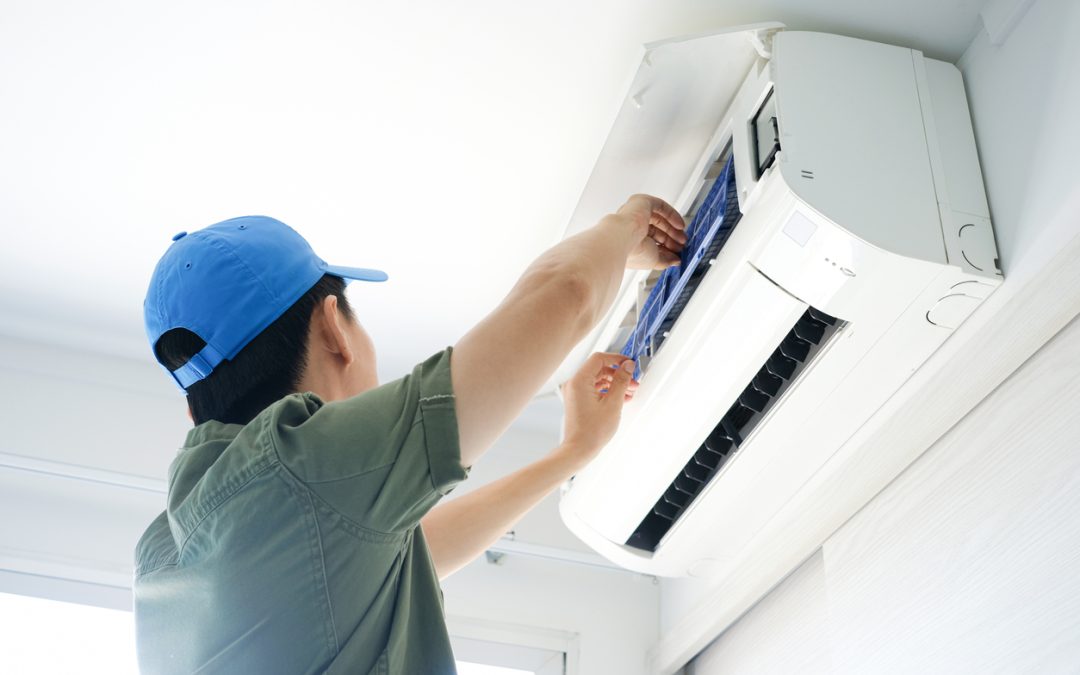
Consistent maintenance of your HVAC system is essential for maintaining optimal performance and longevity. One key practice is arranging professional service at least one time a year, usually in the autumn or spring. This routine check can identify potential issues before they escalate into high-cost repairs. During servicing, technicians will service components, check refrigerant levels, and assess system efficiency, eventually enhancing comfort and extending the life of your system.
Swapping air filters regularly is another important aspect of HVAC maintenance. Clogged filters can block airflow, making your system to work excessively and raising energy consumption. It's suggested to check your filters every month and replace them every 1 to three months, based on usage and the type of filter. Maintaining clean filters not only boosts indoor air quality but also allows your system operate more smoothly.
Finally, homeowners should keep an eye on their HVAC system's performance through periodic maintenance checklists. This comprises tasks such as checking thermostat settings, ensuring proper insulation, and examining ductwork for leaks. By being proactive and handling minor issues promptly, homeowners can significantly reduce the risk of major repairs, enhance energy efficiency, and finally save money on heating and cooling bills.
Improving HVAC Efficiency
Boosting the performance of your HVAC system is essential not only for convenience but also for minimizing utility bills. One of the easiest ways to enhance efficiency is by regularly changing your filters. Dirty filters limit airflow, making the system struggle, leading to greater energy use and wear over time. Swap filters every one to 3 months, based on usage patterns and the style of filter, to maintain optimal airflow and system effectiveness.
Another important factor is appropriate insulation and sealing throughout your house. Insufficient insulation in the walls, attics, and near windows and doors lets conditioned air to escape, making your HVAC system to run excessively. By improving insulation and sealing leaks, you create a more stable indoor climate, helping your Heating, Ventilation, and Air Conditioning system function better and maintaining a pleasant atmosphere in both hot and cold seasons.
Additionally, consider spending in a programmable thermostat. These devices allow you to set specific heating and cooling timing based on your lifestyle, guaranteeing that your Heating, Ventilation, and Air Conditioning system operates only when needed. This not only enhances performance but also provides convenient control over your house's climate, ultimately leading to substantial savings on electricity expenses while maintaining a comfortable interior space.
Advanced HVAC Technologies
Intelligent technology is transforming the way we manage heating and cooling in our homes. Wi-Fi enabled smart thermostats allow homeowners to control their HVAC systems from a distance through tablets or gadgets. This level of control not only enhances comfort but also leads to significant energy savings. By learning your timing and preferences, these controls adjust settings accordingly, lessening energy waste during your absence and ensuring optimal conditions upon your return.
Another exciting advancement in HVAC systems is the integration of home automation. Smart HVAC systems can function alongside with other smart home devices, including lights and security systems. This interconnectedness allows for coordinated operations that improve energy use. For case in point, the HVAC system can be programmed to adjust according to occupancy and time of day, contributing to both energy management and enhanced comfort throughout the home.
In conclusion, investing in smart HVAC systems can contribute to better indoor air quality. Go to the website come equipped with sophisticated air filtration options and humidity control features that are critical for maintaining a wholesome living environment. Pairing these features with smart technology ensures that your home’s air quality is assessed and optimized, tackling issues like allergens and pollutants successfully. By using smart HVAC solutions, homeowners not only achieve comfort but also encourage a more robust lifestyle.