The Rise of AI Agents: Transforming Our Daily Existence


In today’s fast-paced world, the incorporation of machine intelligence into our daily lives is becoming increasingly prominent. One of the most intriguing developments in this domain is the advent of AI agents, which are designed to perform a variety of tasks without human intervention. These smart systems are not just tools; they represent a change in how we engage with technology, as they respond to their environments and evolve over time. For businesses and people alike, understanding what AI agents are and how they operate is crucial for harnessing their full potential.
This article examines the ascendance of AI agents and their impact on contemporary society. We will delve into the differences between AI agents and legacy chatbots, look into how they are transforming various industries, and explore their function in automating everyday tasks. Whether Knowledge AI Agents are a entrepreneur looking to improve productivity or just interested about the technology, this comprehensive guide will provide valuable insights into the future of AI agents and their importance in our lives.
Comprehending Artificial Intelligence Entities
Artificial Intelligence agents are advanced software programs designed to interact with users and perform tasks autonomously. They utilize advanced algorithms and machine learning techniques to understand and react to user inputs, enabling them capable of executing a wide range of functions without immediate human intervention. This feature allows them to greatly enhance efficiency and productivity throughout various sectors, transforming how businesses operate and interact with customers.
The core of an AI agent's functionality lies in its capacity to acquire knowledge from data and adapt its responses based on new information. This learning process enables AI agents to improve their performance over time, rendering them increasingly effective in tasks such as customer service, data analysis, and workflow automation. By examining patterns and trends, AI agents can provide insights and recommendations that help businesses formulate informed decisions and fine-tune their operations.
In comparison with traditional software applications, AI agents offer a far more engaging and interactive experience. They can mimic human-like conversations, understand context, and provide personalized responses. This level of interaction not just enhances user engagement but also leads to improved customer satisfaction as AI agents are on hand at all times to assist with inquiries, complete transactions, and support various business processes. As technology continues to evolve, the role of AI agents in influencing our daily lives and business practices will only grow more important.
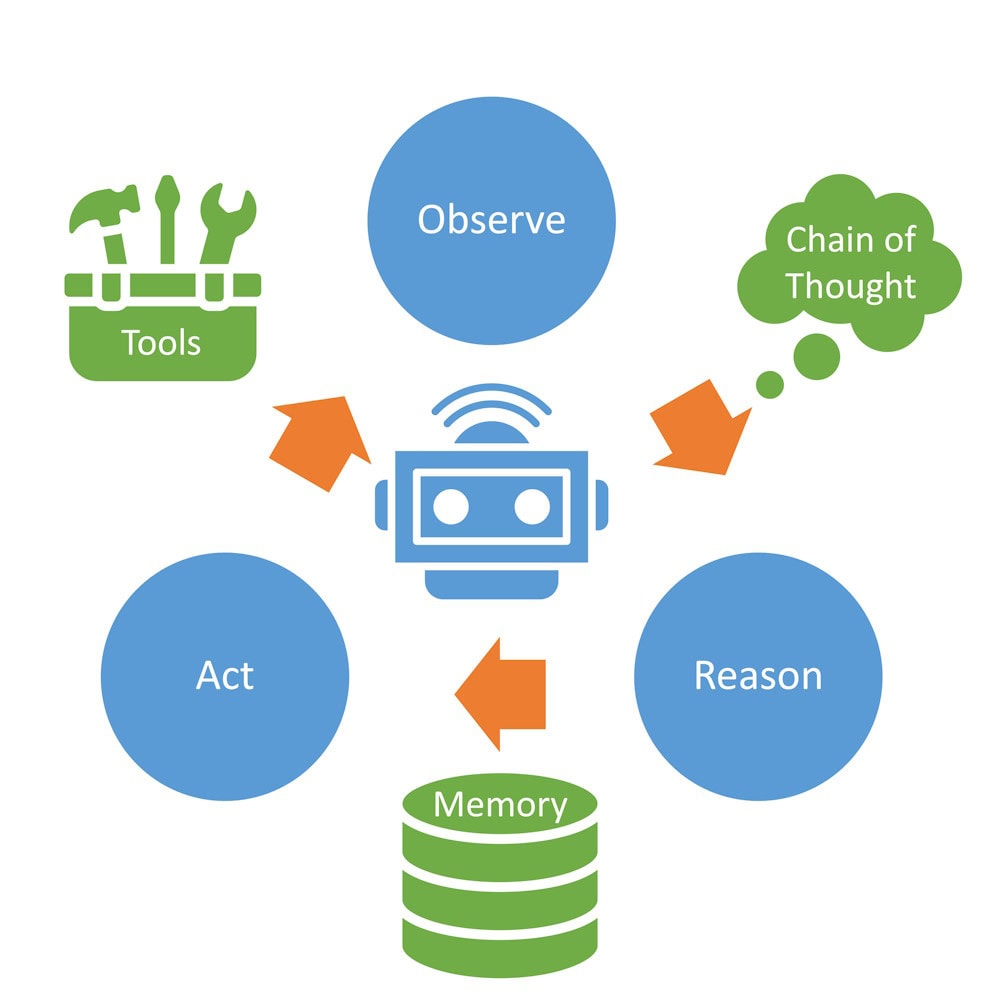
Revolutionary Impact of Artificial Intelligence Agents on Business
Artificial Intelligence agents are progressively growing integral to current enterprises, streamlining operations and enhancing efficiency. These self-operating systems take on various tasks historically performed by humans, allowing organizations to assign resources more strategically. By systematizing routine procedures, businesses can lower operational costs while at the same time boosting productivity. Whether managing inventory, scheduling meetings, or processing transactions, AI agents provide the reliability and speed essential to thrive in the current cutthroat landscape.
Furthermore, the purpose of AI agents goes beyond simple automation. They are transforming customer relationships by delivering customized experiences tailored to specific preferences. This capability helps companies foster deeper customer relationships, leading to greater satisfaction and loyalty. In advertising, for illustration, AI agents scrutinize vast amounts of data to recognize trends and optimize campaigns, ensuring businesses reach their target audiences efficiently. This calculated approach not only enhances engagement but also boosts conversion rates.
The outlook of AI agents in the workplace seems bright as their capabilities continue to progress. Innovations in machine learning enable these agents to become more intelligent and more versatile, learning from events to improve decision-making over time. As businesses embrace this technology, they are also realizing the capabilities of AI agents to foster collaboration within teams. By improving project management and interactions, AI agents facilitate a more responsive work environment, positioning companies to react quickly to changing market demands.
Future Developments and Best Methods for AI Agents
As AI agents continue to evolve, we can expect significant advancements in their capabilities and applications across various industries. One key trend is the increased involvement of AI agents with ML algorithms that enable them to learn from user interactions and enhance over time. This evolution will boost their ability to provide tailored experiences, making them essential in sectors like healthcare, finance, and customer service. Additionally, the growing focus on responsible AI and data privacy will lead to the creation of guidelines that guide the responsible deployment of AI agents, ensuring they operate openly and safely.
Best practices for businesses seeking to implement AI agents include starting with a clear understanding of their goals and selecting the right technologies that suit their needs. Companies should prioritize user experience by involving stakeholders in the design process to build user-friendly interfaces that allow for seamless interaction. Regular education and refreshes for AI agents will also be critical to maintain their relevance and effectiveness, as business landscapes and consumer expectations continue to change rapidly.
In the future, we can expect the rise of collaborative AI agents that work together in collaborative frameworks. These systems will enable for more intricate tasks to be performed efficiently, drawing on the unique strengths of each agent. Furthermore, as AI agents become more prevalent, there will be an increased focus on their effect on workforce dynamics, necessitating strategies to guarantee that human workers can live and thrive alongside these technologies. Adopting these trends and best practices will enable organizations to harness the entire potential of AI agents, propelling innovation and growth in the years to come.