Utilizing Nature: The Science Behind Heat Transfer Systems


As the demand for efficient energy solutions expands, heat pumps have emerged as a popular alternative for home heating and cooling. These innovative systems employ the principles of thermodynamics to transfer heat from the outside to the inside or vice versa, providing a versatile climate control solution. With progress in technology and an growing focus on sustainability, homeowners are progressively eager about how heat pumps work, their benefits, and if they are the suitable choice for their homes.
In this article, we will discuss all aspects of heat pumps, including their effectiveness relative to traditional HVAC systems, the best installation practices, and how they perform in varying climates. We will also look into the environmental advantages of using heat pumps, the possible financial savings on energy bills, and the various types on the market today. If you are considering a heat pump for a new construction or a upgrade project, our guide will provide valuable insights to help you make an informed decision.
Grasping Heat Pumps
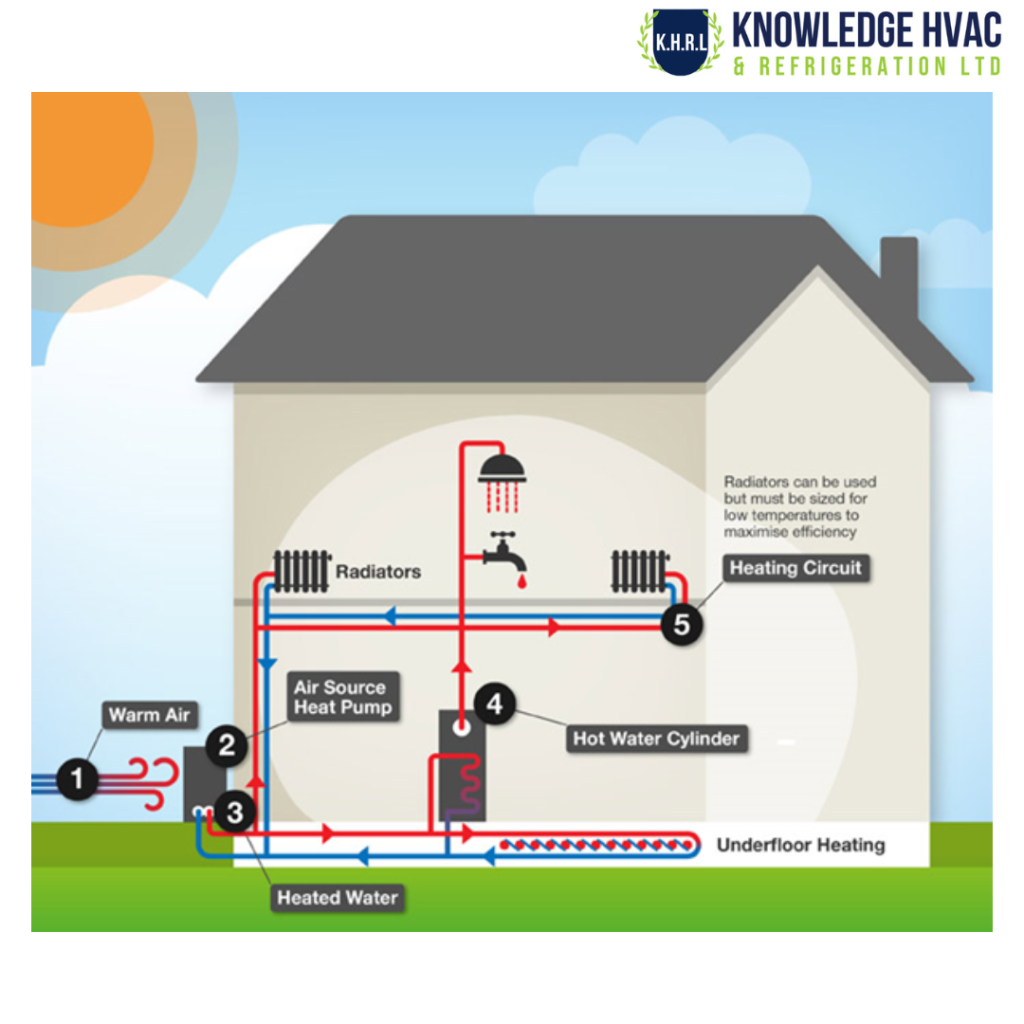
Heat pumps are versatile heating and cooling systems that convey heat from a location to another, making them an economical alternative to standard HVAC systems. They function on a simple principle: by extracting heat from the atmosphere, ground, or liquid and transporting it indoors during the winter, and the opposite in the summer. This method significantly lowers the energy required to maintain pleasant indoor temperatures, leading to lower energy bills and decreased environmental footprint.
There are multiple types of heating pumps, including air source, ground source, and water source pumps. Air source heat pumps are the most typical and are appropriate for various climates, while geothermal heat pumps, also known as geothermal heat pumps, take advantage of the earth's steady underground temperature. Each type has its distinct installation requirements, efficiency ratings, and costs, which can make comprehending the options available overwhelming for homeowners.
The efficiency of heat pumps is evaluated by their coefficient of performance (COP), which indicates the ratio of heating output to the energy used. Typically, heat pumps can deliver three or four times the amount of energy used, making them much more efficient than traditional heating systems like boilers or electric-powered heaters. As technology improves, heat pumps are becoming an progressively popular option for providing sustainable comfort in homes, raising inquiries about their impact in the upcoming of home heating and cooling systems.
Heat Pumps Efficiency and Functionality
Heating pump systems are celebrated for their high performance, often surpassing old-fashioned heating and cooling systems. The essence of their effectiveness lies in their ability to transport heat rather than generate it. For each and every unit of electricity consumed, a heat pump can provide various units of heating or cooling to your home. This efficiency is measured using the Performance Coefficient (COP), which shows that heat pumps can achieve levels of 3 or more, indicating they produce three times the amount of energy they require.
Performance can vary based on surrounding factors, such as ambient temperature and humidity. In colder climates, some heat pumps may have difficulty to extract sufficient heat from the outside air, which can impact their effectiveness. However, recent innovations in heating technology have led to the creation of sub-zero heat pumps specifically designed to maintain performance even when temperatures decrease drastically. https://shademile11.werite.net/switching-from-chilly-into-cozy-the-benefits-of-implementing-a-heat-pump increased reliability allows property owners in frigid areas, such as Montana, to view heat pumps as a practical and effective option for year-round comfort.
To enhance the efficiency of a heat pump, adequate installation and upkeep are vital. An exactly sized unit will function more efficiently, while regular servicing can reduce common issues and ensure optimal performance. Property owners can also take advantage of intelligent thermostats and zoning systems to optimize their heat pump's operation, cutting energy bills while providing consistent indoor comfort. By grasping the details of heat pump effectiveness, property owners can make educated selections about their heating and cooling options.
Setup and Maintenance Advice
When placing a heat pump, it's important to begin with a comprehensive analysis of your home's dimensions, insulation, and existing air ducts, if necessary. Learn more here will perform a capacity calculation to determine the correct size and type of system for your particular needs. This ensures optimal performance and energy efficiency. Additionally, think about the placement of the outdoor unit; it should be placed away from strong winds and debris to minimize possible issues.
Routine maintenance is key to maximizing the lifespan of your heat pump. Homeowners should schedule regular inspections with a professional technician to clean the coils, monitor refrigerant levels, and examine electrical components. Furthermore, replacing or cleaning filters every 1 to three months can greatly enhance efficiency and indoor air quality. Ensuring the outdoor unit free of leaves and snow will also help ensure airflow and prevent system strain.
It’s vital to stay alert for signs that suggest your heat pump may need repair or upgrading. Strange noises, unstable temperature control, or a noticeable increase in energy bills can all point to underlying issues. If your system is over 10 years old and experiencing frequent problems, it may be time to evaluate an upgrade to a more efficient model. Investing in a state-of-the-art heat pump will not only improve comfort but also offer prospective savings on energy costs in the long run.