Zero Waste Living: Suggestions for Minimizing Your Ecological Footprint


In an age where sustainability challenges are at the forefront of global dialogues, the notion of zero waste living has arisen as a powerful campaign for reducing our footprint on the planet. It encourages individuals and communities to rethink their consumption habits, aiming to reduce waste and encourage sustainable practices. From simple changes at home to holistic waste management solutions for businesses, adopting a zero waste mindset can lead to significant reductions in landfill contributions and a cleaner environment.
Understanding the value of effective waste management is crucial not just for individuals, but for businesses as well. Ineffective waste management can have harmful impacts, both environmentally and economically. As we navigate modern waste management solutions, we will examine practical tips and strategies to foster a more sustainable lifestyle, including recycling programs, composting, and waste audits. Whether you are just beginning your journey or seeking advanced techniques to enhance your waste management practices, this guide will give you with essential insights to help you contribute to a cleaner planet.
Robust Refuse Disposal Practices
Utilizing efficient trash management practices is vital for decreasing environment impact and maximizing asset utilization. One of the fundamental steps is understanding trash sorting, which can substantially reduce contamination in recyclables processes. By dividing Find more info , organic waste, and dump waste at the origin, individuals and companies can improve the standard of reusable materials and diminish the sheer volume of trash sent to dumps. This method not only helps the environment but also creates recycling procedures more efficient and more expensive.
Another essential practice is conducting regular refuse audits. Knowing what types of refuse are generated and in what volumes can provide critical information into where advancements can be made. Refuse assessments help spot areas where refuse can be cut down, whether through limitation, reuse, or biodegradation. By examining trash trends, entities can develop more specific waste elimination strategies and ensure compliance with relevant refuse management laws.
Utilizing digital tools also has a vital function in current trash management systems. From intelligent receptacles that provide immediate information on trash levels to software that inform people about reclamation guidelines, innovations can streamline trash collection and handling operations. Additionally, advancements in waste conversion technologies can boost recycling rates and convert refuse into beneficial resources, thus supporting the importance of refuse handling in a sustainable system and lessening overall environment footprint.
The Environmental Effect of Refuse
Refuse generation substantially affects the environment, contributing to contamination and the reduction of natural resources. Landfills, that house a majority of this waste, emit harmful gases like methane, a powerful greenhouse gas that worsens global warming. Additionally, a toxic runoff produced from rotting waste can pollute soil and water sources, threatening local habitats and public health. As waste gathers, it disrupts habitats, resulting in a loss of biodiversity.
Improper waste management methods only worsen these issues. When reusable materials are deposited in landfills, valuable resources are squandered, and more energy is necessary to produce new items from raw materials. This process of consumption adds to forest loss, water scarcity, and increased carbon emissions. In addition, hazardous waste including chemicals and electronic waste poses severe threats to both the natural world and people's well-being if not managed correctly, resulting in long-term consequences for communities and ecological systems.
The issue of managing waste effectively is essential not only for sustainability but also for economic stability. By putting resources into better waste management techniques, businesses and localities can reduce their environmental impact. Adopting recycling, composting, and responsible disposal methods establishes a more circular economy, where materials are recycled and recycled, lessening waste at every step. This change is essential for preserving our planet for future generations.
Sustainable Approaches for Trash Reduction
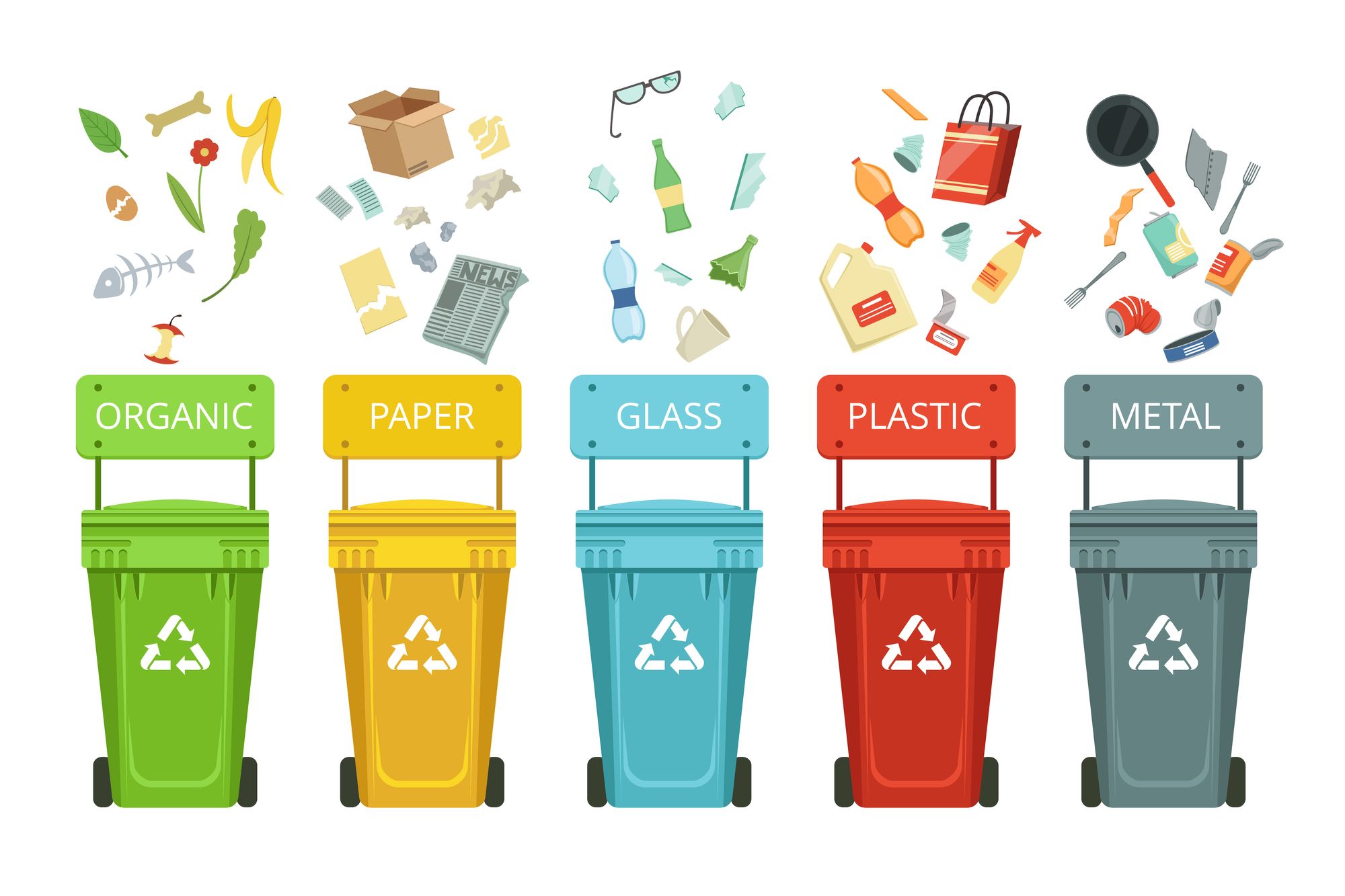
Embracing green approaches for refuse reduction is crucial for both individuals and businesses aiming to lessen their ecological footprint. One proven approach is to focus on trash segregation. By clearly sorting waste into recyclables, compostables, and general trash, homes and organizations can greatly enhance their recycling rates and make certain that resources are managed correctly. This approach not only supports efficient waste management but also encourages a mindset of consciousness regarding waste generation among everyone involved individuals.
Another impactful approach is the implementation of sustainable packaging materials. Opting for materials that are biodegradable, can be recycled can significantly minimize the volume of waste created. Businesses should consider collaborating with suppliers who value sustainable packaging, as this not only reduces refuse but can also draw to environmentally-conscious consumers. In addition, educating customers about the significance of proper waste disposal methods can foster a more active community that actively participates in reducing trash.
Utilizing tech can further improve waste handling systems. Smart refuse management approaches, such as implementing smart devices in containers to track refuse volumes or deploying applications that offer advice on minimizing trash, can streamline operations and improve effectiveness. Moreover, conducting ongoing waste assessments can aid spot aspects for growth, guaranteeing that refuse disposal approaches are regularly refined. By adopting these sustainable solutions, individuals and entities can assist to a healthier world while also reaping potential financial benefits through reduced trash handling charges.