Starting with Chatbots towards Partners: A Path for AI Systems


Lately, the term artificial intelligence agents has become significantly prevalent, yet many still wonder what these AI technologies truly are. At their core, AI agents are independent software programs designed to perform particular tasks by utilizing artificial intelligence techniques. They can examine data, learn from their environment, and make decisions with minimal human intervention, making them powerful tools for businesses and individuals alike. This journey from basic chatbots to sophisticated AI companions reflects remarkable advancements in technology, prompting a re-evaluation of how we interact with machines.
As businesses continue to seek innovative solutions to enhance efficiency and productivity, AI agents have emerged as essential players in the modern landscape. Unlike traditional AI chatbots, which primarily focus on user interaction, AI agents can automate a wide range of processes across different sectors. They are transforming customer assistance, marketing, sales, and project management by simplifying tasks and providing insightful insights. Understanding the benefits and applications of AI agents is crucial for anyone looking to explore the ever-evolving world of technology and leverage these tools for subsequent success.
Grasping AI Agents and Their Functions
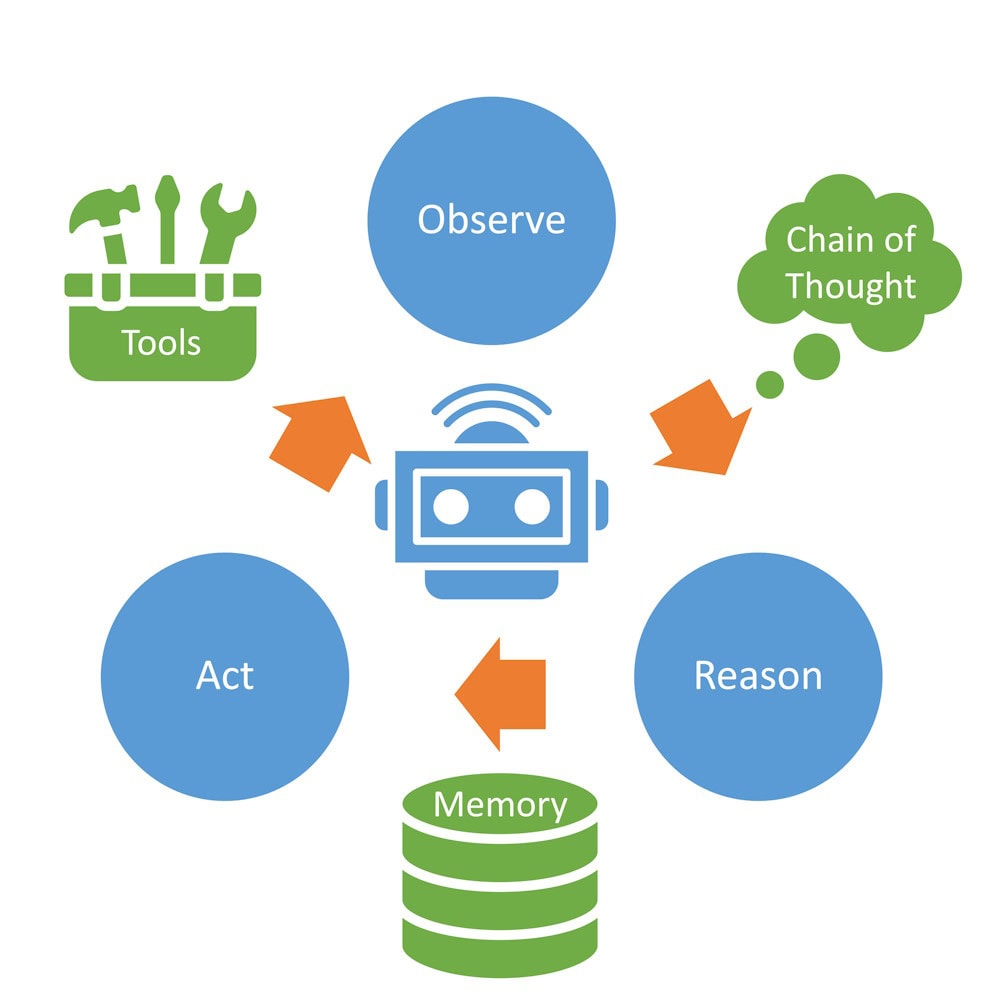
AI agents are advanced software programs crafted to perform specific tasks autonomously, leveraging artificial intelligence to interpret, learn from, and respond to a range of inputs. Unlike traditional software, which needs clear human instructions for each action, AI systems can make decisions based on the data they collect and assess. AI Start-up allows them to operate on their own, effectively reducing the need for constant human oversight and enabling organizations to streamline their processes.
The capabilities of AI agents extend across numerous domains, including client support, marketing, commerce, and medical services, among others. These systems can analyze large volumes of data swiftly, identify trends, and predict results, resulting in more intelligent decision-making. For instance, in client support, AI agents can provide instant responses to queries, thereby enhancing customer satisfaction and freeing up human representatives to handle more complicated issues. Their ability to learn from interactions also allows them to improve continuously, making them increasingly valuable over time.
Moreover, AI agents are not fixed; they progress with innovations in technology and automated learning. As these agents work together in multi-agent systems, they can disseminate information, confront complex tasks, and improve workflows. This collaborative approach improves effectiveness and productivity, proving their value in ever-changing business environments where flexibility and rapid responses are critical. As organizations move forward to embrace AI agents, comprehending their capabilities is important for leveraging their complete potential and driving innovation in various sectors.
Effects of AI Agents on Business Operations
AI agents are representing integral to modern business operations by enhancing efficiency and productivity. These intelligent systems simplify routine tasks, allowing employees to dedicate time to more strategic activities that require creativity and critical thinking. For example, AI agents can perform data entry, scheduling, and customer inquiries, which streamlines processes and reduces the likelihood of human error. By implementing Process AI Agents , organizations can experience a significant decrease in operational costs and an increase in overall output.
Furthermore, AI agents facilitate better decision-making through data analysis and insights generation. They can swiftly process vast amounts of information, identify trends, and provide actionable recommendations. This ability not only helps businesses to respond swiftly to market changes but also enables more informed strategic planning. As companies utilize AI agents for data analysis, the capacity to predict customer needs and preferences becomes more pronounced, resulting in enhanced service delivery and competitive advantage.
Finally, the synergistic potential of AI agents reshapes teamwork within organizations. These systems can work alongside human employees, supporting them in project management, communication, and task delegation. This collaboration fosters a more agile work environment, where teams can adapt to challenges and seize opportunities more effectively. As businesses persist to incorporate AI agents into their operations, the transition towards a hybrid workforce—merging human ingenuity with machine efficiency—will transform traditional models of work and collaboration.
Future Advancements and Progress in AI Agents
As we look to the future, AI agents are positioned to become progressively sophisticated, integrating advanced machine learning techniques that allow for more personalized and intuitive engagements. This transformation will enable AI agents to more effectively comprehend user choices and offer custom responses, boosting user satisfaction across multiple platforms. Businesses that leverage on these progressions will probably see a major competitive edge in their fields.
Another noteworthy trend is the growing importance of multi-entity systems, where several AI agents collaborate to tackle challenging challenges. These networks will enable for greater efficiency and issue-resolving capabilities in different fields, from banking to medicine. As more businesses realize the importance of effective partnership between AI agents, we can expect a rise in interest for tools that enable this collaboration and teamwork among agents.
Finally, the development of ethical standards and best strategies for deploying AI agents will grow to be crucial as their usage expands. Worries surrounding data security, security, and the ethical considerations of automation are prompting discussions on regulatory frameworks and responsible AI deployment. Organizations will have to consider these considerations to retain trust while utilizing AI agents effectively in their processes.